.png)

January 29, 2026
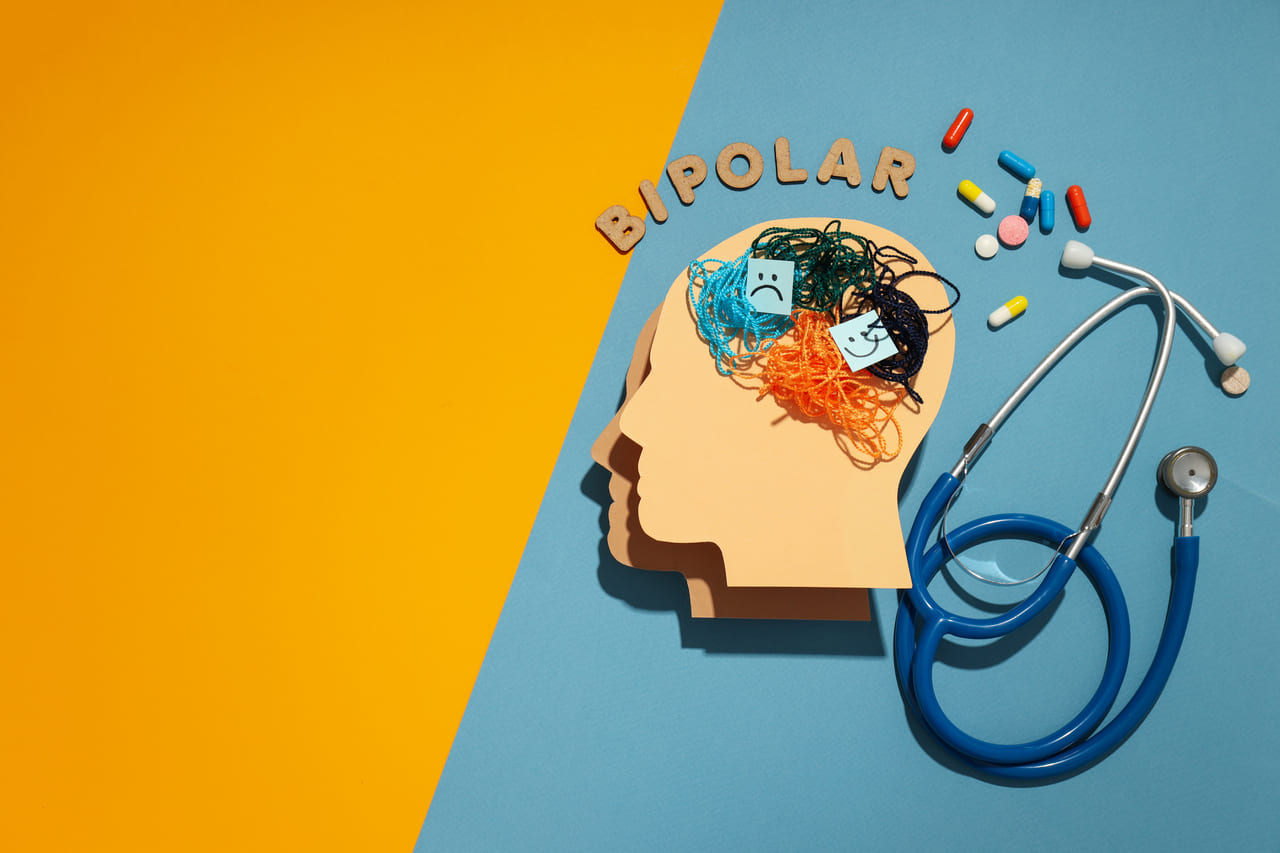
Bipolar disorder is a complex mental health condition that affects millions of people across the country. It often disrupts lives, relationships, and careers. With proper diagnosis and treatment, individuals living with bipolar disorder can achieve stability, lead fulfilling lives, and regain control over their mental health.
In this post, we will explore what bipolar disorder is, how it is diagnosed, what symptoms to look for, and how psychiatric treatment can help bring long-term balance and wellness.
Bipolar disorder is a mood disorder characterized by extreme changes in mood, energy, and behavior. These shifts go beyond typical ups and downs and often involve episodes of mania or hypomania and depression.
Types of bipolar disorder include:
Involves manic episodes lasting at least 7 days or severe mania requiring hospitalization. Depressive episodes typically last at least 2 weeks.
Involves a pattern of depressive episodes and hypomanic episodes which are less severe than full mania but never a full manic episode.
Milder periods of hypomania and depression lasting at least 2 years or 1 year in children and teens.
Some individuals may experience bipolar-like symptoms due to medical conditions or substance use.
Symptoms vary between individuals and may change over time. They typically fall into two categories.
Increased goal-directed activity such as starting multiple projects
Mania may lead to hospitalization or severe consequences. Hypomania is usually less intense but still disruptive.
These alternating mood periods can interfere with relationships, work, and daily function.
Diagnosing bipolar disorder requires a comprehensive psychiatric evaluation from a licensed psychiatrist. Since symptoms often overlap with other mental health conditions, accurate assessment is essential.
Diagnosis may include:
Review of mood history, behavior, and symptom severity
Lab tests or physical exams to rule out other causes such as thyroid issues
Additional insight into mood patterns over time when appropriate
Early diagnosis allows for earlier treatment and better outcomes.
Bipolar disorder is a lifelong condition. However, it can be managed effectively with the right combination of treatment options.
At our clinic, we emphasize collaboration between psychiatrists, therapists, primary care providers, and families. This ensures care is comprehensive and individualized.
Without treatment, bipolar disorder can significantly impact a person's quality of life. It increases the risk of:
Early treatment improves long-term outcomes. Individuals can achieve emotional stability and better manage mood cycles.
At Daniel Perry MD, we provide trusted psychiatric care for adults with bipolar disorder and other mood disorders. Dr. Daniel Perry MD MPH specializes in medication management, treatment-resistant conditions, and coordinated mental health support for patients across Georgia.
Whether you are newly diagnosed or navigating existing symptoms, we are here to provide clarity and compassionate support.
If you or someone you care about is experiencing intense mood swings or symptoms of bipolar disorder, do not wait to seek help. You are not alone. Support is available.
Call our office at 912 513 2888 or request an appointment online.
We are here to help you feel empowered, stable, and supported on your mental health journey.
This blog is for informational purposes only. It does not substitute for professional medical advice, diagnosis, or treatment. Always consult a licensed healthcare provider for help with mental health concerns.
.png)
