.png)

February 24, 2026
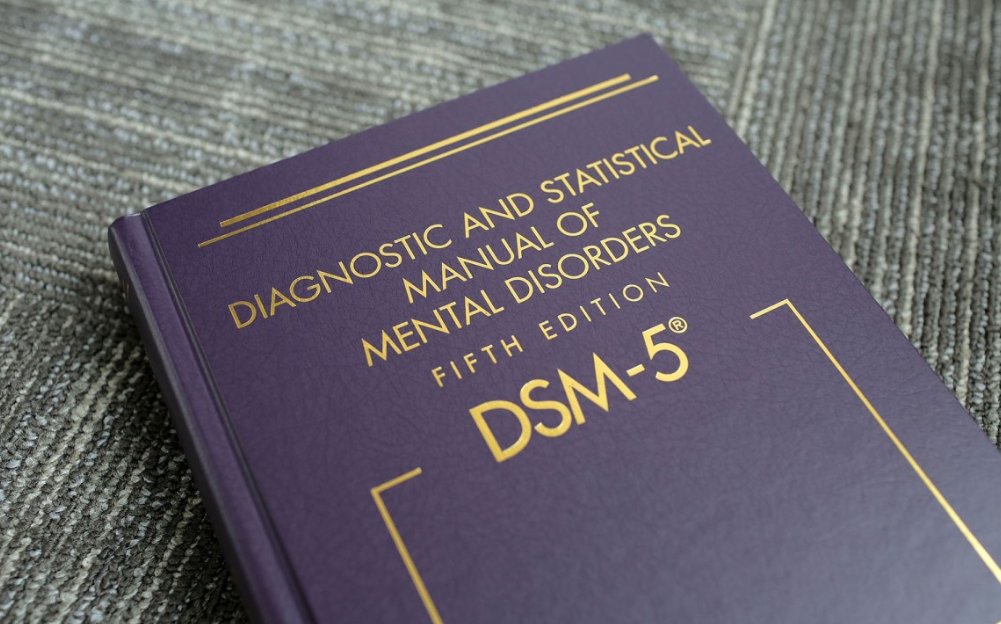
If you have ever been diagnosed with depression, anxiety, ADHD, or another mental health condition, you may have heard your provider mention the DSM-5. You might have wondered: What is the DSM-5? What does it mean? And how does it affect my diagnosis?
The DSM-5 may sound technical or intimidating, but understanding it can actually help you feel more informed and confident in your mental health care. In simple terms, the DSM-5 is the guide mental health professionals use to diagnose psychiatric conditions accurately and consistently.
Let’s break it down clearly and simply.
The DSM-5 stands for the Diagnostic and Statistical Manual of Mental Disorders, Fifth Edition. It is the official handbook used by psychiatrists, psychologists, and other licensed mental health professionals in the United States to diagnose mental health conditions.
If you are searching for the DSM-5 meaning, think of it as a standardized rulebook for mental health diagnoses.
It was created by the American Psychiatric Association and is updated periodically as research evolves. The DSM-5 is currently the most widely accepted diagnostic manual in modern psychiatry.
Without a structured diagnostic system, mental health diagnoses could vary widely from provider to provider. One clinician might diagnose major depression, while another might call the same symptoms adjustment disorder.
The DSM-5 exists to:
It creates a shared language so mental health professionals can deliver reliable and effective care.
Each condition listed in the DSM-5 includes:
For example, a diagnosis of Major Depressive Disorder requires at least five symptoms over a two-week period, including either depressed mood or loss of interest in activities. These symptoms must significantly interfere with daily functioning.
This structured approach ensures diagnoses are not based on guesswork or quick impressions.
The DSM-5 includes hundreds of psychiatric diagnoses organized into categories such as:
If you are exploring treatment for conditions like depression, anxiety, ADHD, or addiction, your diagnosis was likely guided by DSM-5 criteria.
For example:
This is one of the most common concerns.
A DSM-5 diagnosis is not meant to define who you are. It is a clinical tool used to guide treatment.
For example, being diagnosed with Generalized Anxiety Disorder does not mean you are an anxious person forever. It means your current symptoms meet specific clinical criteria that allow your provider to recommend targeted treatment.
A diagnosis can actually provide relief because it:
Some countries use the ICD, or International Classification of Diseases, for mental health diagnoses. In the United States, mental health professionals often use both systems together.
However, the DSM-5 is considered the primary psychiatric diagnostic guide for clinical practice.
No diagnostic system is perfect. Mental health exists on a spectrum, and human experiences are complex.
Some criticisms of the DSM-5 include:
However, despite these limitations, the DSM-5 remains the most structured, research-supported framework available.
When you schedule an evaluation with a psychiatrist, the process typically includes:
Your provider compares your symptoms to DSM-5 criteria to determine whether you meet the diagnostic threshold.
For example, someone exploring ketamine therapy in Savannah GA for treatment-resistant depression must first meet DSM-5 criteria for Major Depressive Disorder before advanced treatments like Spravato are considered.
This ensures treatments are medically appropriate and evidence-based.
Understanding how diagnoses are made can:
Mental health care works best when patients are informed and engaged.
Diagnostic and Statistical Manual of Mental Disorders, Fifth Edition.
Psychiatrists, psychologists, therapists, and other licensed mental health professionals.
Yes. ADHD diagnostic criteria are clearly outlined in the DSM-5.
Yes. Major Depressive Disorder, Persistent Depressive Disorder, and other mood conditions are defined by DSM-5 criteria.
In most cases, yes. A formal diagnosis is required for billing and coverage documentation.
The DSM-5 is not meant to box you in or reduce you to a label. It is a structured guide designed to help mental health professionals diagnose conditions accurately and consistently.
If you have questions about a diagnosis, or if you are wondering whether your symptoms meet criteria for a specific condition, speaking with a qualified psychiatrist can provide clarity and direction.
At Daniel Perry MD, diagnoses are approached thoughtfully and collaboratively. The DSM-5 criteria guide the process, but your individual experience always comes first.
.png)
