.png)

September 7, 2026
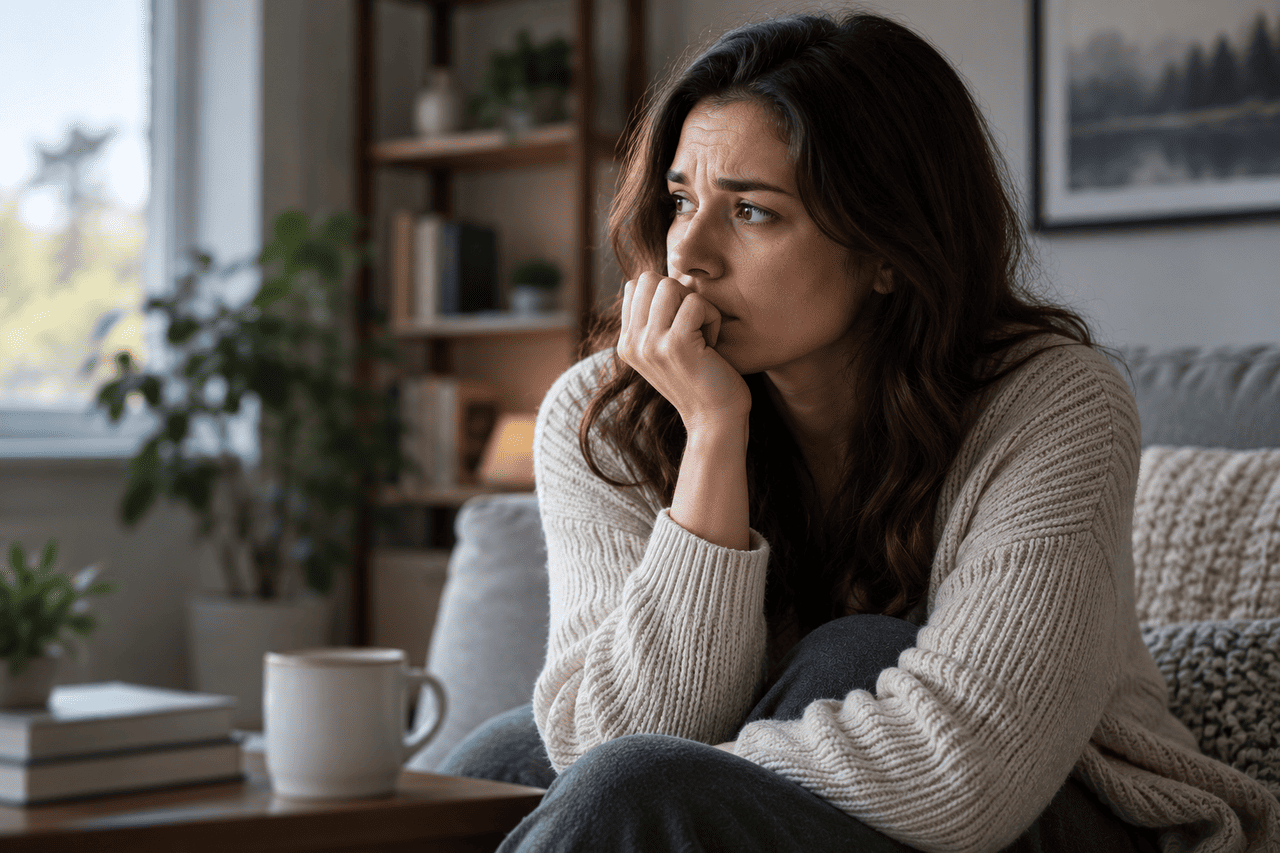
Anxiety can last for a few minutes, several hours, days, or much longer depending on what is causing it and how a person responds to stress. For some people, anxiety appears before a specific event and improves once the situation has passed. For others, worry and physical symptoms seem to remain in the background for weeks or months.
This uncertainty often leads to an important question: how long does anxiety last?
There is no single timeline that applies to everyone. Occasional anxiety is a normal response to stress, but persistent anxiety that is difficult to control or begins interfering with sleep, work, relationships, or everyday activities may indicate that additional support is needed.
Understanding the difference between temporary anxiety and a more persistent pattern can help you determine when symptoms deserve professional attention.
At Daniel Perry MD in Savannah, GA, psychiatric evaluations can help adults better understand persistent anxiety symptoms, identify conditions that may be contributing to them, and explore appropriate treatment options.
The duration of anxiety depends partly on the type of anxiety you are experiencing.
Temporary anxiety related to a specific situation may last only until the stressful event is over. You might feel anxious before an interview, presentation, medical appointment, flight, or difficult conversation and then notice that the anxiety gradually decreases afterward.
Persistent anxiety can be different.
Some people experience worry on many days, even when there is no single immediate problem. The subject of the worry may also change. One day it might involve work, another day finances, and later it might involve health or relationships.
In these situations, anxiety can feel almost continuous.
The important question is therefore not simply how many minutes or days anxiety lasts. It is also important to consider:
These details help distinguish everyday anxiety from patterns that may require further evaluation.
Yes, anxiety can sometimes last for days.
Consider someone facing a major work deadline. They may begin worrying several days beforehand and remain tense until the project is completed.
During that time, anxiety may fluctuate.
The person may feel relatively calm while distracted and then become anxious again when thinking about the deadline.
Anxiety lasting several days does not automatically mean someone has an anxiety disorder. The context and impact of the symptoms matter.
However, if you regularly spend days worrying intensely about situations that other people might find manageable, or if one worry is immediately replaced by another, it may be worth discussing the pattern with a mental health professional.
Anxiety can persist for weeks or longer, particularly when the underlying source of stress remains unresolved or when someone is experiencing an anxiety disorder.
For example, prolonged anxiety may occur during:
The fact that there is a stressful situation does not necessarily mean persistent anxiety should be ignored.
If anxiety continues affecting your ability to sleep, concentrate, work, maintain relationships, or enjoy everyday activities, professional support may be appropriate regardless of what originally triggered it.
Yes.
Some anxiety disorders involve symptoms that persist over extended periods.
Generalized anxiety disorder, for example, involves excessive anxiety and worry about multiple areas of life that are difficult to control. Diagnosis depends on a broader clinical assessment and specific criteria, not simply on feeling anxious for a certain number of days.
This distinction is important.
Having anxiety for several months does not allow someone to diagnose themselves with a particular disorder. Anxiety symptoms can occur in different psychiatric conditions and can also overlap with medical issues, medication effects, sleep problems, substance use, and significant life stress.
A comprehensive evaluation looks at the entire pattern rather than duration alone.
Sometimes.
Situational anxiety may improve once the event causing the stress has passed.
Someone who feels nervous before an important presentation may feel significantly better afterward. A person worried about an upcoming medical test may notice their anxiety decrease once they receive the results.
Other forms of anxiety may not resolve as easily.
Persistent worry can sometimes reinforce itself through patterns such as:
Over time, the original trigger may become less important than the anxiety cycle that has developed around it.
This is one reason persistent anxiety may benefit from professional treatment rather than simply waiting for it to disappear.
There are many reasons anxiety may continue longer than expected.
If the source of stress has not changed, your anxiety may remain active.
Financial problems, relationship conflict, caregiving responsibilities, work difficulties, or uncertainty about the future can create ongoing stress rather than a single short-term reaction.
Anxiety can lead to repeated attempts to think through every possible outcome.
You may believe that if you analyze the problem long enough, you will eventually feel certain or prepared.
Instead, the process can become repetitive.
Thoughts such as "What if?" may generate additional questions rather than solutions.
If this sounds familiar, Why Anxiety Causes Overthinking (And How to Break the Cycle) explains how worry and repetitive thinking can reinforce one another.
Avoiding situations that create anxiety can provide immediate relief.
For example, someone anxious about social situations may cancel an event and feel better temporarily.
The problem is that avoidance can prevent the person from learning that they may be capable of handling the situation.
Over time, the number of situations they avoid may increase.
Anxiety can make sleep difficult, while inadequate sleep can make emotional regulation more challenging.
This can create another cycle:
Anxiety interferes with sleep. Poor sleep leaves you tired and more vulnerable to stress the next day. Increased stress contributes to more anxiety that evening.
If your symptoms become particularly noticeable at bedtime, read Why Is My Anxiety Worse at Night? Causes and Ways to Cope.
Anxiety can create noticeable physical sensations.
A person may experience a rapid heartbeat, muscle tension, nausea, dizziness, stomach discomfort, sweating, or changes in breathing.
These symptoms can then become another source of worry.
Our article Physical Symptoms of Anxiety: Signs You Shouldn't Ignore discusses these physical effects in greater detail.
Persistent anxiety does not look exactly the same for everyone.
Some people experience obvious nervousness and fear. Others remain productive but feel mentally tense almost constantly.
Possible experiences include:
Anxiety can also change throughout the day.
You might have periods when symptoms are barely noticeable followed by periods when worry becomes much more intense.
The fact that anxiety occasionally improves does not necessarily mean it is insignificant if it repeatedly returns and disrupts your life.
Physical anxiety symptoms can vary considerably in duration.
Some sensations appear briefly during moments of intense stress. Others may linger when anxiety remains elevated.
For example, muscle tension may persist for hours. Digestive discomfort may fluctuate throughout the day. Fatigue may continue when anxiety repeatedly disrupts sleep.
Anxiety can also make people highly attentive to bodily sensations.
Someone who notices nausea may begin wondering:
"Why do I feel sick?"
"What if something is wrong?"
"Is this going to get worse?"
Those thoughts can increase anxiety and potentially intensify the original sensation.
For a closer look at digestive and sickness-like symptoms, see Can Anxiety Make You Feel Sick? Understanding Nausea, Stomach Problems, and Other Physical Effects.
It is also important not to assume that persistent physical symptoms are caused by anxiety. New, severe, worsening, or unexplained symptoms should receive appropriate medical evaluation.
People commonly use the phrase "anxiety attack" to describe a period of particularly intense anxiety.
However, anxiety attack is not a specific formal diagnosis in the same way that a panic attack has recognized clinical features.
An episode of intense anxiety may develop gradually and continue as long as the underlying worry remains active.
Panic attacks tend to be more sudden. Symptoms rapidly become intense and typically reach their highest level within minutes.
The distinction matters because people frequently use the terms interchangeably.
Our article Anxiety Attack vs Panic Attack: What's the Difference? explains the differences between these experiences in more detail.
A panic attack involves a sudden surge of intense fear or discomfort accompanied by physical and psychological symptoms.
Symptoms typically intensify rapidly.
Even after the most intense part of an episode subsides, a person may continue feeling tired, unsettled, or worried about what happened.
Some people then begin worrying about another attack.
That fear can lead to behaviors such as:
When fear of future panic begins affecting daily behavior, professional evaluation may be helpful.
Anxiety may return because the trigger returns, but that is not the only possibility.
Sometimes the person's response to anxiety becomes part of the cycle.
Imagine that you experience dizziness while shopping.
You become frightened and leave the store.
The dizziness eventually passes.
The next time you need to shop, you remember what happened and think:
"What if I get dizzy again?"
That thought creates anxiety before you even enter the store.
You may then notice your heart beating faster and interpret that sensation as evidence that another episode is beginning.
Eventually, you may start avoiding the store altogether.
This demonstrates how anxiety can continue even after the original experience has passed.
Treatment can help people recognize and address patterns that may be maintaining anxiety.
For some people, yes.
Persistent anxiety may remain in the background throughout much of the day.
The intensity can rise and fall depending on circumstances.
Someone may wake up worrying, become distracted while working, experience anxiety again during lunch, feel calmer in the afternoon, and then begin overthinking again at night.
This does not necessarily mean the person is experiencing maximum anxiety every moment.
Instead, there may be an ongoing sense of:
When this becomes the normal pattern rather than an occasional response to stress, it may deserve closer attention.
Yes.
People sometimes assume anxiety must always have an obvious trigger.
That is not necessarily the case.
You may feel physically tense or mentally uneasy without being able to identify one immediate reason.
In other cases, multiple smaller stressors may be contributing rather than one major event.
A professional evaluation can help explore the broader context, including sleep, mood, medical history, medications, substances, life circumstances, and other psychiatric symptoms.
Anxiety itself is not automatically unhealthy.
It is a normal human response that can help us recognize threats, prepare for important situations, and respond to challenges.
The concern is when anxiety becomes disproportionate, persistent, or disruptive.
Consider seeking professional support when anxiety:
The level of impairment often matters more than simply counting how many days you have felt anxious.
There is no rule that says you must experience anxiety for a certain number of weeks before talking to someone.
You also do not need to wait until symptoms become severe.
If anxiety is significantly affecting your quality of life, discussing it with a qualified mental health professional can be reasonable even if the symptoms began recently.
Early evaluation can help clarify whether the symptoms reflect temporary stress, an anxiety disorder, another psychiatric condition, or something else.
If you are unsure where to begin, When Should You See a Psychiatrist Instead of a Therapist? explains some of the differences between these types of mental health care.
There is no single test that tells a psychiatrist everything they need to know about anxiety.
Evaluation typically involves discussing the pattern of symptoms in detail.
A psychiatrist may ask about:
This broader approach matters because anxiety can overlap with several other conditions.
For example, restlessness, difficulty concentrating, sleep problems, and feeling overwhelmed may also occur in ADHD.
If concentration is a major concern, Is It Anxiety or ADHD? How to Tell the Difference in Adults provides additional information about this overlap.
You can also read What Happens During a Psychiatric Evaluation? to understand more about the evaluation process.
Many people can experience meaningful improvement in anxiety symptoms with appropriate treatment.
Treatment does not look exactly the same for every person.
The appropriate approach depends on factors such as:
Treatment may include psychotherapy, medication, behavioral strategies, lifestyle adjustments, or a combination of approaches.
Psychotherapy can help individuals understand thoughts and behaviors that contribute to anxiety.
Cognitive behavioral therapy is one commonly used approach for anxiety disorders.
Depending on the person, therapy may focus on:
The goal is not necessarily to eliminate every anxious feeling.
Some anxiety is part of normal life.
Treatment can instead help reduce excessive anxiety and improve the person's ability to function even when uncertainty or stress is present.
Medication may be appropriate for some individuals with anxiety disorders.
Different medications may be considered depending on the diagnosis, severity of symptoms, other health conditions, and individual treatment history.
Medication decisions require individualized assessment.
A psychiatrist can discuss potential benefits, risks, alternatives, and monitoring considerations when medication is appropriate.
Patients should not start, stop, or change psychiatric medication based solely on general information found online.
Lifestyle habits can influence mental health and may complement professional treatment.
Depending on individual circumstances, supportive habits may include:
Maintaining a reasonably consistent sleep schedule can support overall emotional health.
Regular exercise can support both physical and mental well-being.
Caffeine can increase jitteriness, alertness, and awareness of heartbeat in some people, which may worsen anxiety symptoms.
Alcohol may initially feel relaxing but can negatively affect sleep and may create additional problems when it becomes a regular way of managing anxiety.
Setting boundaries, taking breaks, maintaining social support, and developing realistic daily routines can help reduce unnecessary stress.
Lifestyle changes can be useful, but they should not be treated as proof that someone does or does not need professional care.
The course of anxiety differs from person to person.
Symptoms may improve, fluctuate, or become increasingly disruptive.
Persistent anxiety can affect areas such as:
Avoidance can also gradually become more restrictive.
Someone who initially avoids one uncomfortable situation may eventually begin avoiding several.
This is why the impact of anxiety on daily functioning deserves attention even when a person is still able to meet some responsibilities.
Consider what your life would look like if anxiety were less dominant.
Are you avoiding things you want to do?
Are you spending hours worrying?
Are physical symptoms repeatedly frightening you?
Are you struggling to sleep because your mind will not settle?
Are you constantly seeking reassurance?
Is anxiety affecting your relationships?
Do you organize your life around avoiding uncomfortable feelings?
These questions can sometimes be more useful than asking whether your anxiety is "bad enough."
If symptoms are repeatedly limiting your life, an evaluation can help determine what type of support may be appropriate.
If persistent anxiety is interfering with your daily life, you do not have to determine what is happening entirely on your own.
At Daniel Perry MD, adults in Savannah, GA, and surrounding communities can receive psychiatric evaluation and individualized care for anxiety and other mental health concerns.
A comprehensive assessment can help clarify the nature of your symptoms and determine whether psychotherapy, medication management, behavioral changes, coordination with other healthcare professionals, or another approach may be appropriate.
The goal is to understand the individual rather than treating every experience of anxiety the same way.
There is no universal duration. Situational anxiety may improve after a stressful event passes, while persistent anxiety can continue for weeks, months, or longer. Frequency, severity, triggers, and impact on daily functioning are important considerations.
Yes. Anxiety can persist for several days, particularly when a stressful situation remains unresolved. Recurring or disruptive anxiety may warrant professional evaluation.
They can. Ongoing stress and anxiety disorders can contribute to symptoms that persist for weeks or longer.
Some people experience a background level of worry or tension throughout much of the day, although the intensity may fluctuate.
Persistent anxiety can have multiple contributing factors, including ongoing stress, repetitive worry, avoidance, sleep difficulties, and underlying mental health conditions. An evaluation can help clarify what may be maintaining the symptoms.
Situational anxiety often improves when the stressful situation passes. Persistent anxiety may require treatment or other changes before meaningful improvement occurs.
Anxiety can contribute to physical symptoms such as muscle tension, digestive discomfort, fatigue, and changes in sleep. Persistent physical symptoms should still be appropriately evaluated because anxiety is not the only possible cause.
There is no fixed duration. Nausea related to stress may decrease as anxiety subsides, while persistent anxiety may contribute to recurring digestive discomfort. Persistent or concerning nausea should be medically evaluated.
Everyone experiences anxiety occasionally, but frequent anxiety that is difficult to control or interferes with everyday functioning may deserve professional evaluation.
Consider seeking psychiatric care when anxiety is persistent, severe, associated with panic, significantly interferes with daily functioning, occurs alongside other psychiatric symptoms, or when medication evaluation may be appropriate.
So, how long does anxiety last?
For some people, anxiety lasts only a few minutes or hours and disappears once a stressful event has passed. For others, symptoms can continue for days, weeks, months, or longer.
Duration alone does not determine whether anxiety is a problem.
What matters is the overall pattern.
Anxiety that is frequent, difficult to control, physically uncomfortable, or disruptive to sleep, work, relationships, and everyday activities deserves attention.
It is also important to remember that persistent physical symptoms should not automatically be blamed on anxiety. Mental and physical health concerns can overlap, and appropriate evaluation helps determine what may actually be contributing.
At Daniel Perry MD in Savannah, GA, psychiatric evaluations can help adults understand persistent anxiety symptoms and explore individualized treatment options when appropriate.
Seeking an evaluation does not require waiting until anxiety becomes overwhelming. If worry is repeatedly controlling your decisions or limiting your quality of life, understanding why it continues can be an important first step toward managing it more effectively.
.png)
